

Your documents might be rejected by foreign authorities if you don’t have a proper apostille. This can stop your plans dead in their tracks.
Getting an apostille makes your documents legally valid in more than 100 countries worldwide. But many people start this crucial process without knowing which documents they need or what steps to take. Wrong document submissions will get rejected right away.
We’ve seen way too many cases where basic mistakes cause major holdups in international dealings. Member countries of the Hague Apostille Convention accept apostilles, while others need a more complex legalization process. Some countries need translations or extra legalization steps beyond the apostille.
Looking for translation and apostille services in your area? Knowing the common mistakes can save your time, money and hassle. People often make mistakes by sending photocopies instead of certified originals or rushing documents too close to deadlines without thinking about processing times.
In this piece, we’ll show you why apostille and translation requests get rejected and give you practical tips to get your documents right the first time.
Top Reasons Apostille and Translation Requests Get Rejected
Document legalization can throw unexpected obstacles your way. You can avoid delays that get pricey and frustrating by knowing why requests face rejection. Let’s get into the most common reasons why apostille services turn down document submissions.
Uncertified or unofficial documents
Document submissions get rejected most often because people submit improper formats. Apostille authorities won’t authenticate photocopies or digital printouts since these don’t have verifiable features. They accept only original documents or certified copies from authorized agencies to process. Your personal documents like affidavits or letters need notarization before they qualify for apostille certification. The apostille process works only with:
- Original government-issued documents
- Certified copies from official record custodians (like vital records offices)
- Documents with proper notarization (where applicable)
Your request will face immediate rejection if you try to apostille a simple photocopy, and you’ll need to start the process again.
Missing signatures or seals
Document authentication are the foundations of verifying official signatures and seals. Any unclear elements will lead to rejection. Documents must show original, wet-ink signatures from authorized officials, as they almost always reject signature copies. The official seals need to be clear, crisp, and fully visible too. Verification becomes problematic with faded, smudged, or partial seals. The notary’s commission must be current in the jurisdiction where you seek apostille for notarized documents.
Using outdated or incorrect forms
Your submission faces another major hurdle with expired documents or improper forms. Many countries want documents issued within the last 3-6 months. Current standards might not match with outdated forms or they could have wrong information. You’ll face immediate rejection with incomplete application forms, missing fields, or wrong fee amounts. Translation and apostille services near me can help you know if your document needs updating before submission.
These common pitfalls can waste your time and money. Knowing them helps prevent the frustration of getting your important documents back unprocessed when you need them most.
Fixing the Most Common Apostille Errors
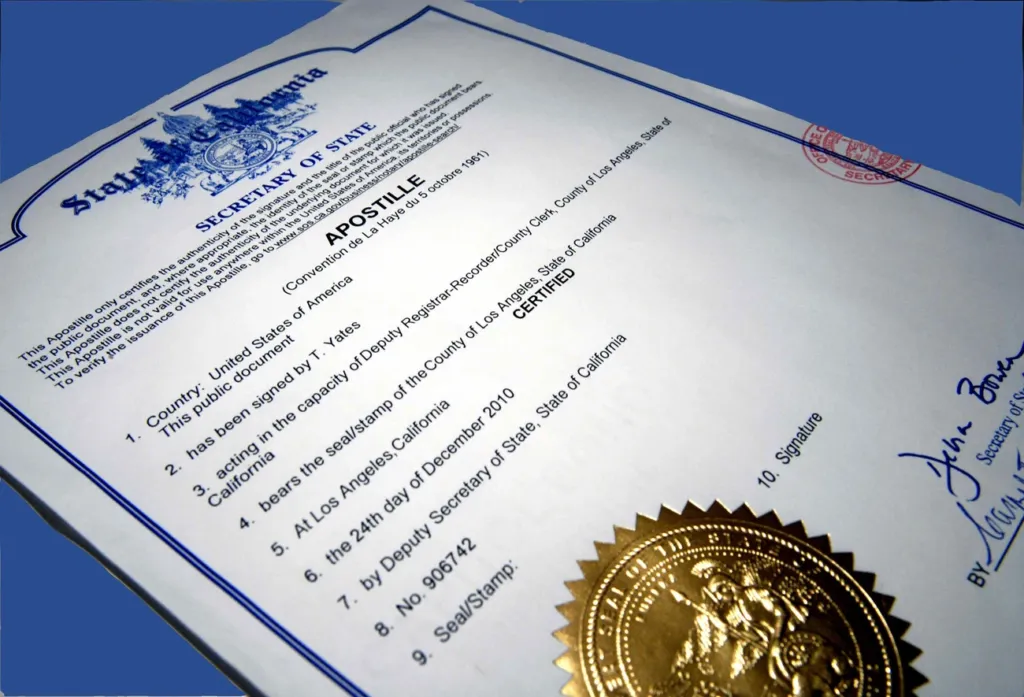
Fixing the Most Common Apostille Errors
The apostille process demands careful attention to detail. Let’s get into how to fix these issues after understanding what causes rejections.
How to notarize documents correctly
Successful apostille applications are founded on proper notarization. Your notary must use a complete notarial statement with their original signature, stamp, and seal—photocopies won’t work. The notary’s signature must match their commission exactly, with their expiration date clearly shown on the document. Regulatory offices scrutinize notarized documents intensely. A minor error could lead to rejection.
Federal documents need special handling. Documents with U.S. federal officials’ or consular officers’ signatures should not be notarized before submission. This step would make them invalid for apostille purposes.
Where to get certified copies
Apostille certification needs original documents or properly certified copies. Your state’s vital records office can help with birth certificates. School transcripts need your registrar’s certification with a notary present. The notary then validates the registrar’s signature. The Secretary of State can then process these notarized transcripts for apostille certification.
The issuing court should provide court documents with official certification. Certified copies must state they are true copies of the original document.
Matching the document to the right issuing office
Finding the correct authority is vital to avoid rejection. State and federal offices process different types of documents. Your application stops immediately if sent to the wrong place. Each state processes its own documents like vital records, court judgments, and school records. The U.S. Department of State handles federal items such as FBI background checks.
Check your document’s issuing authority and match it to the right office before preparing forms or payment. The office listed on your document can confirm the correct agency if you’re unsure.
Translation & Apostille Services: What You Need to Know
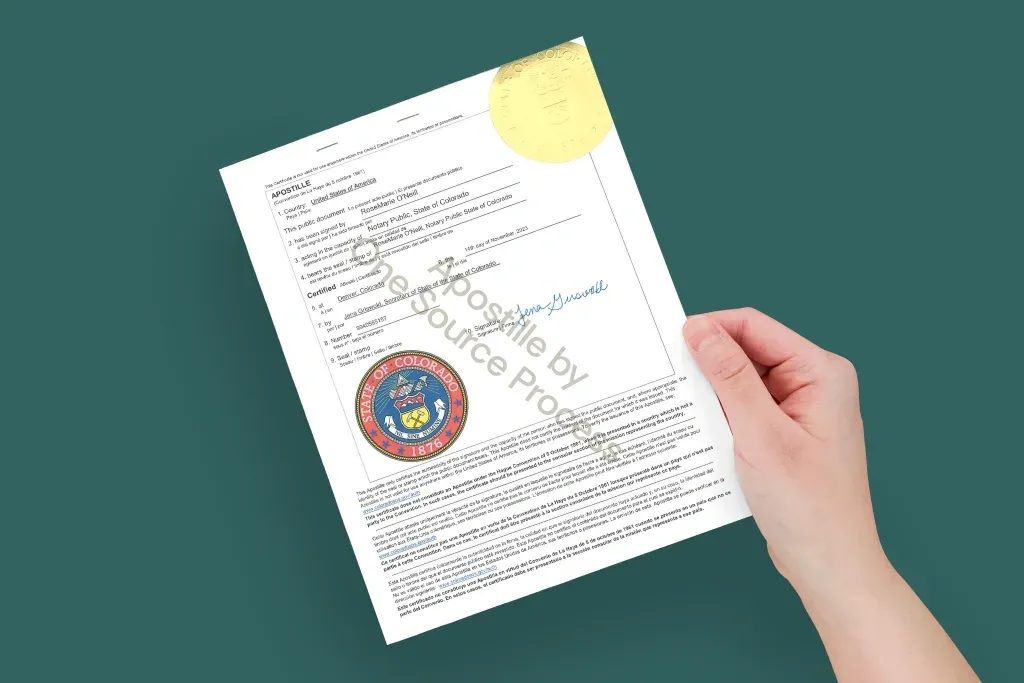
Your documents must meet international standards through translation requirements and apostille certification. The process goes beyond simple translations to meet legal requirements in other countries.
When to translate your documents
You need translations whenever you submit documents to countries where English isn’t the official language. Foreign authorities need documents in their local language to process them properly. Most countries need both an apostille and a certified translation for legal recognition. This requirement applies especially when you have immigration processing, academic work, legal proceedings, and professional licensing. Research your destination country’s specific requirements before submission. Some countries need translation before the apostille, while others need it after.
Certified vs. non-certified translations
The difference between certified and non-certified translations will affect how your documents are accepted. Certified translations need three key parts: the original text, the translated text, and a signed certification statement that confirms accuracy. Legal, immigration, educational, and business purposes need these translations. Non-certified translations have no formal verification and we use them mainly for personal understanding or internal use. Any translator in the United States can provide certified translations. However, choosing professionals with relevant expertise is vital, especially for documents that need apostille certification.
Translation and apostille services near me: what to look for
The best translation and apostille service providers should excel in both areas. Look for services that have certification from professional translation associations and a solid history with apostille processing. Check their knowledge of document requirements for your destination country since these vary worldwide. Make sure they provide proper notarization when needed. Many countries need notarized translations before apostille certification. Their processing times matter too, especially if you have urgent documents.
Plan Ahead to Avoid Delays and Rejections
Smart Planning Prevents Delays and Rejections
A successful document apostille needs proper planning and the right timing. Your international plans might fall apart if you rush through the process and make mistakes that get pricey.
Know Your Processing Times
Document processing times change based on how and where you submit them. State apostilles take 3-10 business days by mail, while California needs 5-10 business days. Federal documents need more time – 5+ weeks for mail, 2-3 weeks for walk-ins, and under 2 weeks with appointments. Summer months and holidays create longer wait times because of backlogs. You need these timeframes to set realistic deadlines for your documents.
Track Your Documents Right
Your success with mail submissions depends on proper tracking. You should use trackable mail services for all document shipments. A self-addressed, prepaid return envelope must be included with your submission. Missing this step could mean lost documents or outright rejection. Federal apostilles need USPS or UPS return shipping – not FedEx.
Professional Help Makes Sense
Apostille services are a great way to get help with tight deadlines or complex document needs. These experts check documents beforehand and spot potential problems. They utilize their connections with government offices. You can get expedited processing in 24-72 hours, and your documents stay secure throughout the process.
Conclusion
The apostille and translation process needs careful planning and attention to detail. This piece explores the most common pitfalls that lead to document rejection and gives practical ways to avoid them. Getting familiar with documents that qualify for apostille certification and their proper preparation will save you time and prevent headaches.
Note that apostille certification works only with original documents or properly certified copies. The signatures and seals must be clear and authentic for successful processing. Your documents need to match the right issuing authority—state documents go to state offices, while federal documents need Department of State processing.
Most countries need certified translations along with apostille certification. Looking up your destination country’s requirements early helps you figure out if you need translation services before or after getting your apostille.
Time management is a vital part of this process. Processing times can vary by a lot based on how and where you submit, taking anywhere from days to weeks. Starting early and planning for possible delays will protect your schedule.
Professional apostille and translation services are a great way to get help, especially with complex documents or tight deadlines. These experts spot potential issues before submission and can speed up processing through their connections with government offices.
This knowledge lets you tackle the apostille and translation process with confidence. Your international documents will meet all requirements on the first try by avoiding common mistakes and following these guidelines. This means your global plans can move forward without any setbacks.
FAQs
Q1. What is an apostille and why do I need one?
An apostille is a certification that makes documents legally recognized in over 100 countries worldwide. You need an apostille when submitting documents to foreign authorities for various purposes such as immigration, education, or business dealings in countries that are members of the Hague Apostille Convention.
Q2. What are the most common reasons for apostille rejection?
The top reasons for apostille rejection include submitting uncertified or unofficial documents, missing signatures or seals, and using outdated or incorrect forms. Ensuring you have original documents or properly certified copies with clear signatures and seals is crucial for successful apostille certification.
Q3. Do I need to translate my documents for an apostille?
Translation is often required when submitting documents to countries where English is not the official language. Many countries mandate both an apostille and a certified translation for legal recognition. It’s important to research your destination country’s specific requirements to determine if translation is needed before or after obtaining an apostille.
Q4. How long does the apostille process typically take?
Processing times vary depending on the submission method and location. State apostilles generally take 3-10 business days for mail submissions, while federal documents can take 5+ weeks. Expedited services may be available for urgent requests. It’s advisable to start the process well in advance of your deadline to account for potential delays.
Q5. When should I consider using professional apostille services?
Professional apostille services are particularly valuable when dealing with tight deadlines or complex document requirements. These specialists can pre-check documents, identify potential issues, and often offer expedited processing. They’re also helpful if you’re unfamiliar with the process or don’t have the time to navigate the various requirements yourself.